Get Lawn Curbing Installation
Local contractors can install durable lawn curbing to define landscape edges, prevent grass overgrowth, and enhance property appearance.
Lawn curbing installation is a practical enhancement that can improve the overall appearance and functionality of a property. Property owners in the area often explore this service to create clear boundaries between lawns, flower beds, and walkways, which can help reduce maintenance and prevent grass from encroaching into other areas. Whether aiming to define landscaping features or add a decorative touch, many find that professional installation offers a durable and attractive solution. Keep reading to discover how local contractors can assist in planning and executing a curb installation that complements your outdoor space.
When considering lawn curbing projects, it’s helpful to compare options available from local service providers who specialize in this work. Experienced contractors can provide guidance on materials, design choices, and installation techniques to suit various property styles and needs. Taking the time to explore different local options ensures that property owners can find the right fit for their specific goals, making it easier to plan a project that enhances curb appeal and lasts for years to come.
- Residential Lawn Curbing - homeowners may need this work to define garden beds and create a polished yard appearance.
- Commercial Property Curbing - business owners often seek curb installation to enhance curb appeal and property boundaries.
- Landscape Edging - property owners might want to install curbings to separate different landscape elements for a clean look.
- Garden Bed Edging - gardeners may require curb work to contain mulch, soil, or plants for easier maintenance.
- Pathway and Walkway Edging - those installing or upgrading walkways may need curbings to improve safety and visual appeal.
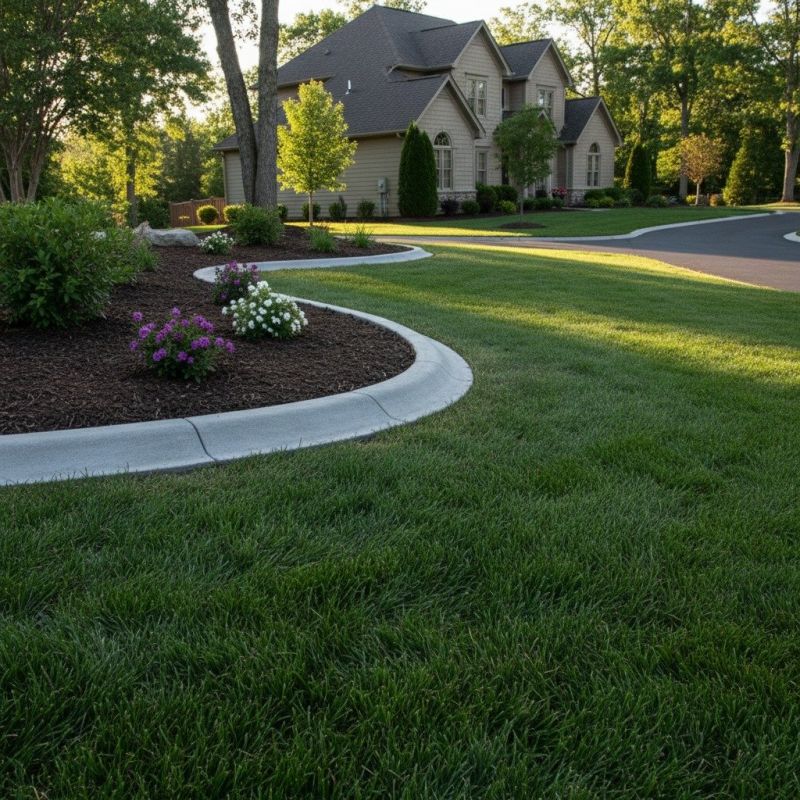
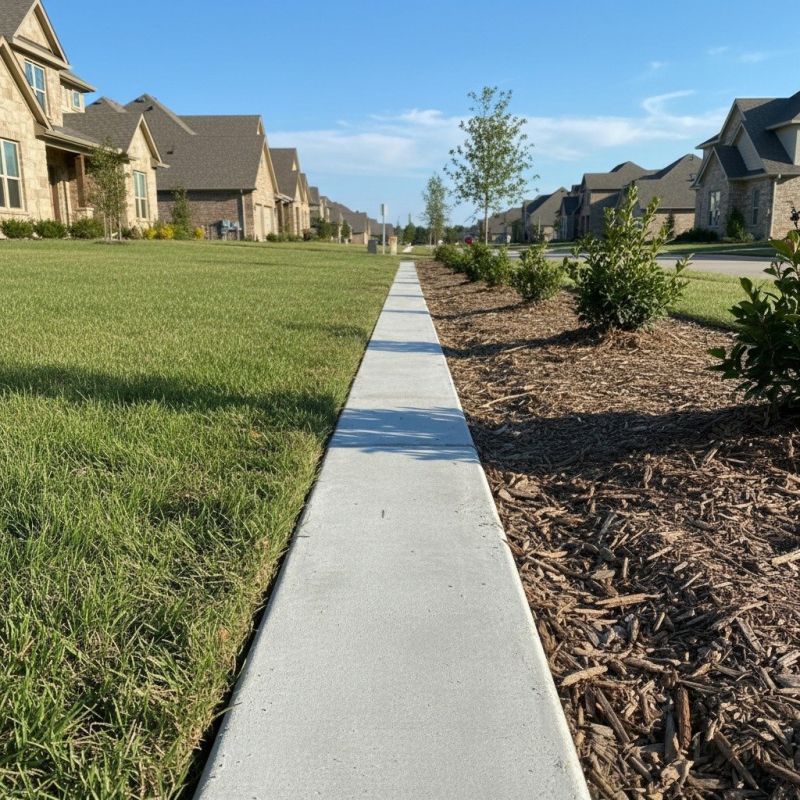
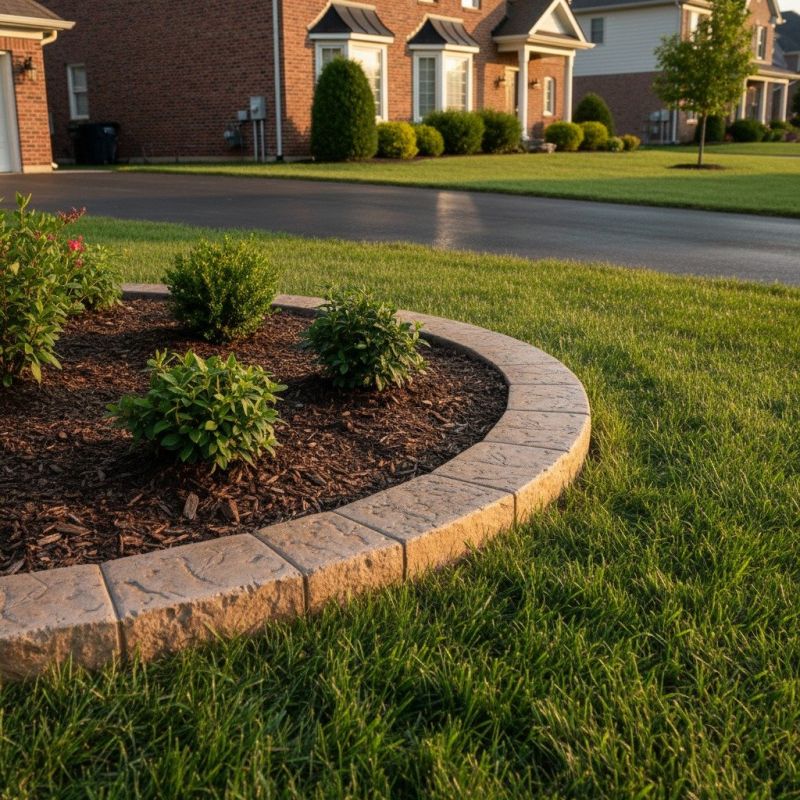
Lawn curbing installation involves creating a durable, visually appealing border that defines different areas within a yard or landscape. Typically made from materials such as concrete, stone, or brick, these borders are carefully crafted to enhance the overall appearance of a property while providing a clean separation between grass, flower beds, walkways, and other landscape features. Skilled contractors prepare the ground, shape the curb, and install the chosen material to ensure a smooth, even finish that adds structure and style to outdoor spaces.
This service helps solve common landscaping problems, such as uneven lawn edges, overgrown flower beds, or areas where grass encroaches on planting beds. Lawn curbing provides a clear boundary that keeps mulch, soil, and plants contained, reducing the need for frequent trimming or maintenance. Additionally, a well-installed curb can prevent erosion and soil washout during heavy rains, helping to maintain the integrity of garden beds and pathways over time.
Properties that often utilize lawn curbing include residential homes, especially those with landscaped front yards and backyard gardens. Larger estates, community parks, and commercial properties also benefit from this service, as it adds a polished look while helping to organize outdoor spaces efficiently. Whether a property has a simple lawn or a more complex landscape with multiple planting zones, professional contractors can tailor the curb to suit the specific style and functional needs of the property.
Homeowners who notice their lawn edges becoming ragged or overgrown, or those wanting to improve curb appeal, may find lawn curbing installation to be a practical solution. It’s also a good choice for properties that require a clear separation between different landscape elements or want to prevent grass from spilling into flower beds. By connecting with local service providers, property owners can find experienced contractors capable of delivering quality lawn curbing that enhances the beauty and organization of outdoor spaces.
The overview below groups typical Lawn Curbing Installation projects into broad ranges so you can see how smaller, mid-sized, and larger jobs often compare in your area.
In many markets, a large share of routine jobs stays in the lower and middle ranges, while only a smaller percentage of projects moves into the highest bands when the work is more complex or site conditions are harder than average.
Smaller Repairs - Typical costs for minor lawn curb repairs or touch-ups generally range from $250 to $600. Many routine jobs fall within this middle range, depending on the extent of work needed.
Basic Curbing Installation - Installing new lawn curbing for a standard-sized yard usually costs between $1,000 and $3,000. Local contractors often handle projects in this range, with larger or more complex installations reaching higher figures.
Custom or Decorative Curbing - For decorative or custom-designed curbing, prices typically range from $3,000 to $5,000. These projects are less common but can include intricate designs or unique materials, which may increase costs.
Full Replacement or Large-Scale Projects - Complete lawn curb replacement or extensive landscaping projects can cost $5,000 or more. Such projects are less frequent and depend heavily on the size and complexity of the work involved.
Actual totals will depend on details like access to the work area, the scope of the project, and the materials selected, so use these as general starting points rather than exact figures.
Garden Edging Installation - local contractors skilled in landscape edging can install decorative borders that complement lawn curb designs and improve yard organization.
Hardscaping Projects - professionals experienced in paving and stonework can handle pathways, patios, and retaining walls that require precise planning and material handling similar to lawn curbing.
Landscape Design and Planning - local service providers can assist with designing cohesive outdoor spaces that incorporate curb lines and other landscape features.
Concrete Flatwork - experts in pouring and finishing concrete can create durable, smooth surfaces for driveways, walkways, and other landscape elements related to curb installation.
Retaining Wall Construction - contractors familiar with retaining walls use similar tools and planning skills to manage soil and landscape transitions alongside lawn edging.
Pathway and Walkway Installation - local pros can install stone, brick, or concrete pathways that align with curb borders, requiring similar planning and material handling skills.
When evaluating local contractors for lawn curbing installation, it’s important to consider their experience with similar projects. A service provider with a proven track record of completing lawn curbing work can offer insights into what to expect and demonstrate their familiarity with different styles, materials, and site conditions. Asking about past projects or viewing portfolios can help gauge their expertise and ensure they have handled jobs comparable to what’s needed on the property.
Clear, written expectations are essential to prevent misunderstandings and ensure the project aligns with the homeowner’s vision. Reputable service providers should be willing to provide detailed descriptions of the scope of work, materials used, and any specific processes involved. Having this information in writing helps establish a mutual understanding and provides a reference point throughout the project, making it easier to address any questions or concerns that may arise.
Good communication and reputable references are key indicators of a reliable local contractor. Service providers who are responsive, transparent, and willing to share references from previous clients can give confidence in their professionalism and quality of work. Contacting references allows homeowners to learn about others’ experiences, including the contractor’s punctuality, craftsmanship, and how well they handled project details. It’s important to remember that this site introduces homeowners to local options; it does not perform the work itself, but helps connect them with qualified professionals who can handle the installation effectively.
Property owners use Lawn Curbing Installation services for practical projects around their homes and businesses. This guide focuses on everyday jobs and straightforward project options.
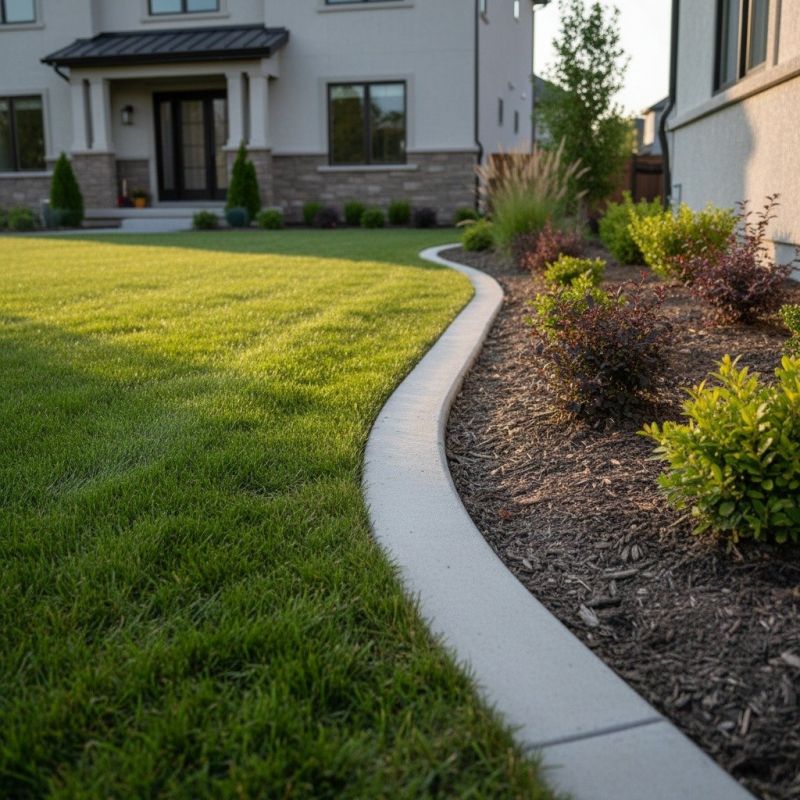
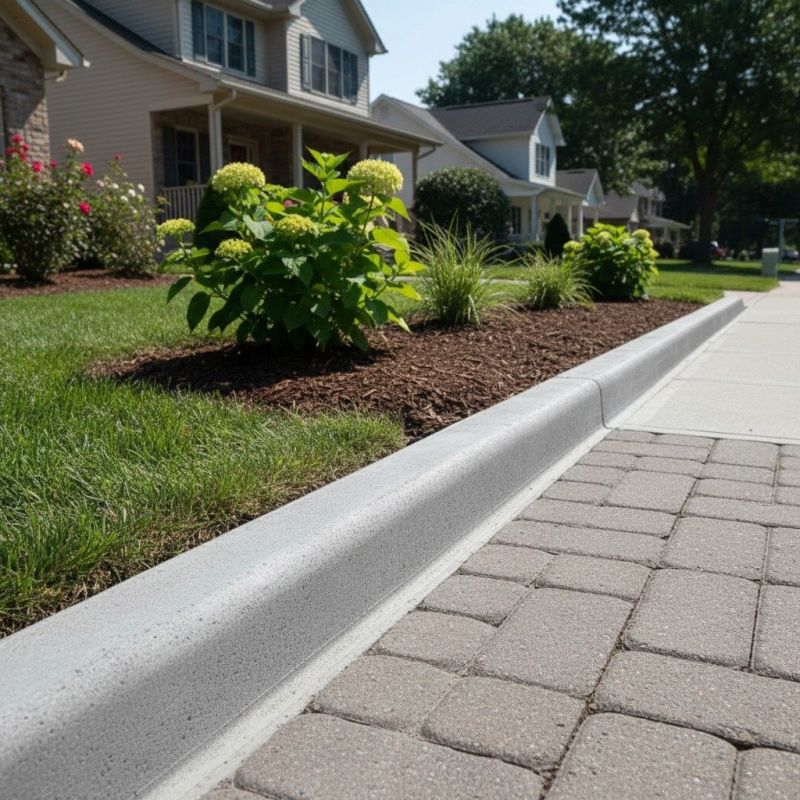
Lawn curbing installation is a common project for property owners looking to define their landscape features clearly and enhance curb appeal. Homeowners may seek this service when they want to create a polished look around flower beds, walkways, or lawns, helping to prevent grass from spreading into unwanted areas. Additionally, those interested in reducing maintenance efforts often turn to local contractors for durable, low-maintenance edging options that keep their outdoor spaces looking tidy and well-kept.
Property owners might also consider lawn curbing to improve the overall organization of their yard or to add a decorative element that complements their home's exterior. Whether upgrading an existing landscape or designing a new outdoor layout, many seek professional installation to ensure a clean, precise finish. Local service providers are equipped to handle a variety of project sizes and styles, making it easier for homeowners to find a solution that fits their specific needs.
What is lawn curbing installation? Lawn curbing installation involves adding a decorative and functional border along garden beds, walkways, or lawns to define spaces and enhance curb appeal.
What materials are used for lawn curbing? Common materials for lawn curbing include concrete, stone, brick, and plastic, each offering different styles and durability options.
How can lawn curbing improve my yard? Lawn curbing helps to create clear boundaries, prevent grass from encroaching on flower beds, and adds a polished look to outdoor spaces.
Who can handle lawn curbing installation? Local contractors and service providers specializing in landscape edging can handle lawn curbing installation based on specific yard needs.
What factors should I consider when choosing lawn curbing? Consider the material, style, durability, and how well it complements the overall landscape design when selecting lawn curbing options.
Define landscape boundaries - Lawn curbing can create clear edges around flower beds, walkways, or lawns to keep mulch and grass separate.
Enhance curb appeal - Installing decorative curbing adds a polished look to a yard, making outdoor spaces more inviting.
Prevent soil erosion - Properly installed curbing helps control soil movement on sloped areas, protecting garden beds and foundations.
Create functional walkways - Curbed borders can be used to define pathways, making outdoor navigation safer and more organized.
If you are thinking about Lawn Curbing Installation for a property, this guide is meant to help you understand the work, the typical project types, and how different options might fit your plans.
When you are ready, you can use the quote form on this page to share a few details about your project. From there, local pros can review the basics and respond with options that match what you have in mind.